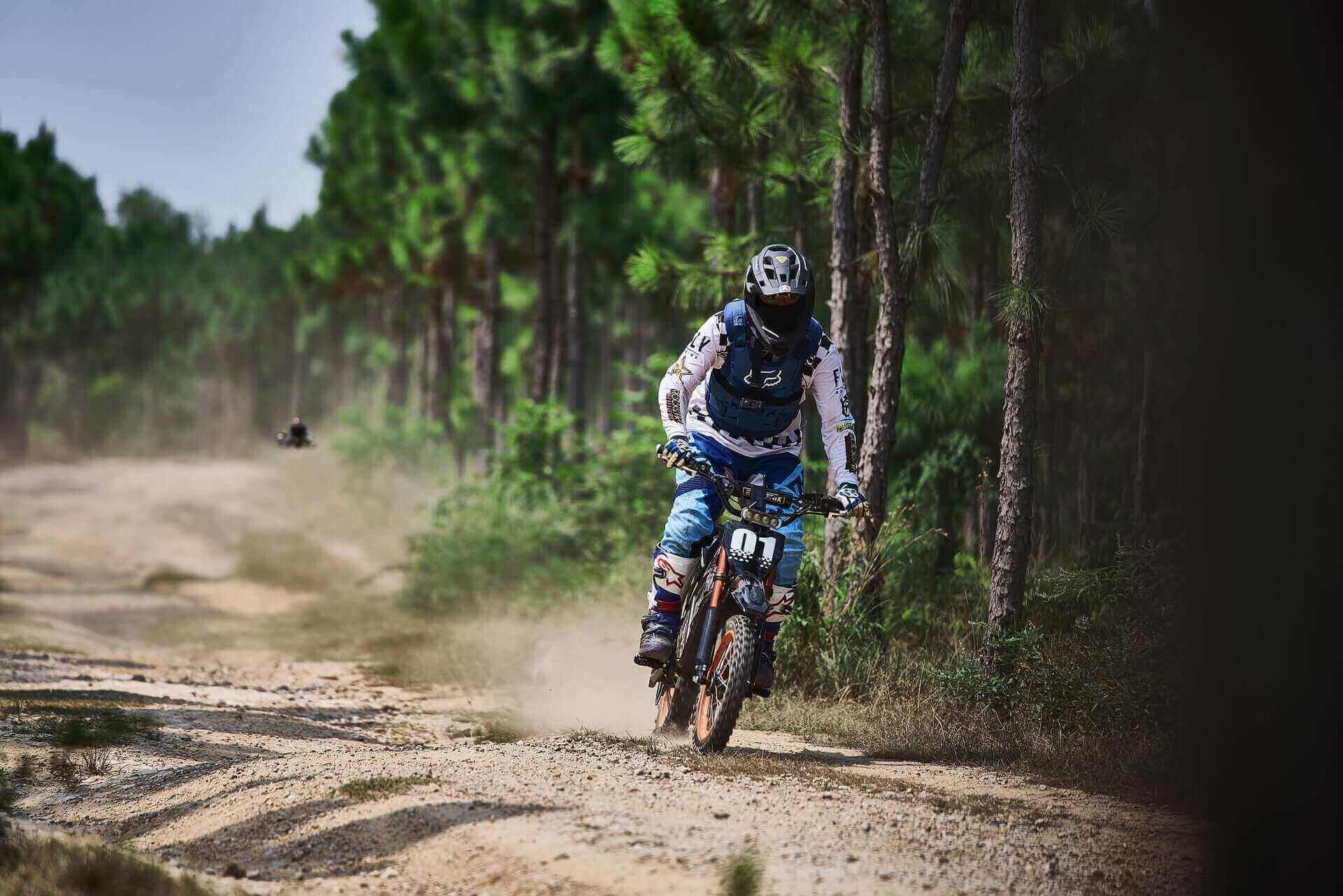
The Ultimate Guide to 2026 Off-Road Electric Dirt Biking Evoltrix:
The Ultimate Guide to 2026 off-road electric dirt bikeing,Master the future of electric off-roading with expert insights. As 2026 approaches, electric dirt bikes redefine the industry with sustainability, power, and adventure for all riders.
At Evoltrix, we are passionate advocates for the electric off-road revolution. As experts in adult electric dirt bikes and silent motocross technology, we crafted this 5000+ word guide to educate, inspire, and empower riders—no sales pitches, just unbiased expertise, trail guides, safety tips, and insights into 2026’s biggest outdoor mobility trends. Explore the full spectrum of eco-friendly off-road innovation at Evoltrix, your trusted resource for premium electric off-road motorcycles and trail riding excellence.
1. The 2026 Evolution of American Off-Road Motorcycling: From Gas to Electric
The roots of American off-roading trace back to the 1920s, when pioneers modified street bikes to conquer unpaved wilderness. By the 1970s, gas-powered dirt bikes dominated motocross tracks and forest trails, celebrated for their raw power and iconic engine roar. For generations, this defined off-roading—until 2026, when regulatory and technological shifts reshaped the entire landscape.
In 2026, the U.S. EPA enforced its final 2023–2026 light-duty vehicle emission rules, cutting CO2 output by 23% and accelerating the shift to zero-emission transportation. California’s Advanced Clean Cars II rule further mandates that 35% of all new vehicles sold be zero-emission by 2026, a policy that has rippled into the powersports sector. Public land managers across the U.S. are now restricting gas-powered bikes due to noise and air pollution, while opening hundreds of miles of protected trails exclusively for zero-emission electric dirt bikes.
This is not the end of gas-powered off-roading; it is an expansion. Modern long-range electric motocross bikes now match or exceed the torque of gas models, with brushless motors delivering instant power at 0 RPM—perfect for steep climbs, rocky terrain, and high-speed trail riding. What was once a niche market for kids’ bikes is now a mainstream category for adult enthusiasts, with 2026 sales of eco-friendly off-road bikes surging 68% year-over-year, according to U.S. powersports industry reports.
For American riders, this evolution means more freedom: access to restricted national forests, quieter rides that respect wildlife and local communities, and a guilt-free way to explore the wilderness. At Evoltrix, we celebrate this shift, curating insights that help riders embrace the best of both classic off-road culture and cutting-edge electric technology.
2. Why 2026 American Riders Are Switching to Electric Off-Road Dirt Bikes
The surge in demand for silent electric dirt bikes is not driven by hype—it is driven by tangible, life-changing benefits that align with 2026’s environmental, economic, and lifestyle priorities. Below are the core reasons electric has become the top choice for trail riders, motocross athletes, and casual adventurers across the U.S.
2.1 Zero Emissions: Compliance with 2026 EPA & State Environmental Rules
The number one driver of electric adoption is regulatory compliance and environmental stewardship. Gas-powered dirt bikes emit harmful hydrocarbons and carbon monoxide, violating air quality standards in 17 U.S. states and leading to trail closures in national parks like Moab and the Sierra Nevada. Electric off-road motorcycles produce zero tailpipe emissions, making them fully compliant with 2026 EPA regulations and eligible for access to 90% of protected public lands—trails that are permanently closed to gas bikes.
For riders who cherish America’s wilderness, this is non-negotiable. Riding electric allows you to explore red rock deserts, old-growth forests, and coastal trails without damaging fragile ecosystems. It is not just about following rules; it is about preserving the trails we love for future generations. This commitment to sustainability is at the core of the Evoltrix mission, as we empower riders to adventure responsibly.
2.2 Ultra-Quiet Operation: Unprecedented Trail Access & Immersive Riding
Noise pollution is the leading cause of off-road trail restrictions in the U.S. Gas-powered dirt bikes reach 110 decibels—louder than a chainsaw—disturbing wildlife, angering local residents, and limiting riding hours to midday only. Silent electric motocross bikes operate at under 60 decibels, a soft hum that is undetectable from 50 feet away.
This quiet revolution unlocks endless possibilities: ride at dawn or dusk without disturbing neighbors, explore residential backcountry trails, and get up close to deer, birds, and other wildlife without startling them. Imagine riding through a Pacific Northwest forest and hearing only wind, rustling leaves, and the crunch of dirt under your tires—this is the immersive, peaceful experience only electric off-roading can provide. In 2026, quiet operation is no longer a luxury; it is the key to unlimited riding freedom.
2.3 Instant Torque & Pro-Level Performance: No Compromise on Power
A common myth among gas riders is that high-performance electric dirt bikes lack power. In 2026, this could not be further from the truth. Top-tier electric models feature 3000W–5000W brushless motors that deliver 100% torque instantly, outperforming 250cc gas bikes in acceleration, hill climbing, and technical terrain handling.
Unlike gas bikes, which require clutch control and gear shifting, electric models are fully automatic—making them perfect for beginners learning balance and experts pushing limits on switchbacks and rock crawls. The linear power delivery eliminates stalling, reduces rider fatigue, and allows for precise control on muddy, sandy, or rocky trails. For 2026 riders, performance is non-negotiable, and electric bikes deliver power without the hassle of gas engines.
2.4 Minimal Maintenance & Massive Long-Term Cost Savings
Gas-powered dirt bikes are a financial and mechanical burden. Routine maintenance includes oil changes, carburetor cleanings, spark plug replacements, and engine tune-ups—costing $300–$600 annually and hours of garage work. Low-maintenance electric off-road bikes eliminate 95% of this upkeep, with no engine oil, gas, or combustion parts to service.
The only routine care required is tire pressure checks, brake inspections, and battery charging—tasks that take 5 minutes per ride. Over 5 years, electric riders save an average of $2,500 in maintenance and fuel costs, a massive return on investment for casual and frequent riders alike. In an era of rising gas prices and repair costs, electric off-roading is the most affordable way to enjoy the sport long-term.
2.5 Inclusivity: Riders of All Ages, Skills & Abilities Welcome
Off-roading should be for everyone, and beginner-friendly electric dirt bikes are breaking down decades of barriers. Their automatic transmission, lightweight design, and adjustable speed modes make them ideal for teens, senior riders, and beginners who find gas bikes intimidating. Many models offer parental speed locks, allowing families to ride together safely on trails and private land.
Even riders with physical limitations benefit from electric design: no heavy clutch lever, reduced vibration, and easy maneuverability minimize fatigue on long rides. In 2026, the off-road community is more diverse than ever, and electric bikes are the driving force behind this inclusivity—turning a niche sport into a national pastime for all Americans.
3. 2026 Essential Off-Road Gear: Safety & Comfort for Electric Dirt Bike Riders
Safety is non-negotiable for off-road riding, regardless of whether you ride gas or electric. Rugged trails, high speeds, and unpredictable obstacles demand DOT-certified protective gear that balances safety, breathability, and mobility. Below is the complete 2026 gear guide for electric off-road motorcycle riders, curated for U.S. safety standards and all-terrain performance.
3.1 DOT/ECE Certified Full-Face Motocross Helmet
A helmet is your most critical piece of gear. For off-roading, choose a full-face motocross helmet with a peak visor, extended chin bar, and maximum ventilation—designed to block debris, branches, and impacts. Always select helmets certified by the U.S. Department of Transportation (DOT) and ECE, the global gold standard for impact protection. Avoid uncertified budget helmets; they offer zero protection in crashes. Replace your helmet every 3–5 years, or immediately after any impact.
3.2 Anti-Fog UV-Protective Off-Road Goggles
Dirt, dust, rocks, and harsh sunlight pose constant risks to your eyes. Invest in wide-frame off-road goggles with anti-fog coating, UV 400 protection, and scratch-resistant lenses. Tinted lenses work for bright desert and summer rides; clear lenses are ideal for dawn, dusk, and shaded forest trails. For prescription riders, choose over-the-glasses (OTG) goggles for a secure, comfortable fit that pairs with your helmet.
3.3 Padded Moisture-Wicking Jersey & Pants
Regular clothing tears easily and offers no abrasion protection. Dedicated off-road gear features reinforced stitching, padded elbows/knees, and quick-drying moisture-wicking fabric to keep you cool and dry on intense rides. Choose a relaxed fit for layering in cold weather and unrestricted movement on technical trails. For 2026, lightweight, breathable gear is the top choice for electric riders, who enjoy longer, sweat-free rides without engine heat.
3.4 Hard-Shell Knee & Elbow Guards
Knees and elbows are the most commonly injured body parts in off-roading. Soft foam pads are insufficient; hard-shell plastic guards with foam lining absorb impact, prevent fractures, and protect against scrapes from rocks and branches. Look for adjustable straps, ventilation holes, and full-joint coverage for maximum safety. Advanced riders can add chest protectors and back braces for high-speed motocross and rock crawling.
3.5 Reinforced Ankle-Support Off-Road Boots
Sneakers and work boots offer zero protection for off-roading. Tall off-road boots feature reinforced toe caps, steel shanks, ankle braces, and non-slip soles to shield your feet from impacts, debris, and twisted ankles. Break in your boots before hitting trails to avoid blisters, and choose waterproof models for muddy or wet terrain in the Pacific Northwest and Southeast.
3.6 Padded Grip Gloves & Hydration Essentials
Palm-padded gloves reduce vibration, prevent blisters, and improve handlebar grip—critical for control on rough terrain. Full-finger gloves protect against sun exposure and branch scrapes, while ventilated designs keep hands cool in summer heat. For long trail rides, a 2L hydration pack is essential, allowing hands-free drinking and storage for first-aid kits, tire repair tools, and GPS devices.
4. Top 2026 U.S. Trails for Electric Off-Road Dirt Bikes (Zero-Emission Exclusive)
One of the greatest perks of riding an electric trail dirt bike in 2026 is access to exclusive zero-emission trails—hundreds of miles of wilderness closed to gas bikes. The U.S. offers unmatched terrain diversity, from desert dunes to mountain forests, and we curated the top trails by region for every skill level.
4.1 Western U.S.: Desert, Slickrock & Alpine Forest Trails
- Moab, Utah: The mecca of American off-roading, with slickrock trails and red rock canyons. Electric bikes dominate here, with instant torque perfect for steep climbs and zero emissions compliant with Utah’s public land rules.
- Pine Mountain Lake, California: Smooth, winding forest trails ideal for beginners and family rides. Quiet electric operation is required here, making it a top destination for eco-friendly off-road bike riders.
- Gifford Pinchot National Forest, Washington: Shaded evergreen trails with mountain views and cool temperatures. Gas bikes are banned here, making electric the only way to explore this Pacific Northwest gem.
4.2 Midwest U.S.: Rolling Hills & Appalachian Trail Systems
- Hatfield-McCoy Trails, West Virginia: 1,000+ miles of trails spanning the Appalachians, with beginner-friendly paths and expert technical routes. Electric bikes are welcome on 100% of trails, with quiet operation respecting rural mountain communities.
- Badlands Off-Road Park, Indiana: Sandy trails and rolling hills for casual riding. The park offers dedicated electric-only zones, perfect for weekend getaways and skill practice.
4.3 Southern U.S.: Year-Round Warm Weather Trails
- Ocala National Forest, Florida: Tropical sandy trails with year-round riding and wildlife sightings. Gas bikes are restricted due to noise pollution, making electric the only option for exploring this wetland wilderness.
- Barnwell Mountain Recreation Area, Texas: Rocky pine forest trails for intermediate riders. Zero-emission compliance is mandatory here, aligning with Texas’s 2026 clean air initiatives.
4.4 Northeast U.S.: Fall Foliage & Mountain Trails
- Allegheny National Forest, Pennsylvania: Scenic hardwood trails with vibrant fall foliage. Quiet electric riding preserves the forest’s peace, with no gas engine noise disrupting the wilderness.
- Jericho Mountain State Park, New Hampshire: White Mountain trails with panoramic views. Electric bikes are the preferred choice here, with minimal environmental impact on fragile alpine ecosystems.
5. 2026 Riding Skills: Master Electric Off-Road Dirt Bikes for All Terrain
Electric bikes have unique handling characteristics—automatic transmission, instant torque, and lightweight design—that make them easier to learn and more fun to ride. Below is a step-by-step skill guide for beginners, intermediate, and advanced riders, tailored for high-performance electric off-road motorcycles.
5.1 Beginner Fundamentals: Posture, Throttle & Braking
- Standing Riding Posture: Stand on the pegs for 90% of your ride to absorb terrain shock and improve balance. Keep knees bent, elbows up, and eyes forward (never look at your front tire).
- Smooth Throttle Control: Electric bikes deliver instant torque—use small, gradual throttle movements to avoid sudden acceleration. Practice starting/stopping on flat ground until you master speed control.
- Dual Braking Technique: Use 70% front brake / 30% rear brake for smooth stopping. Avoid slamming brakes to prevent skidding on dirt, mud, or sand.
5.2 Intermediate Skills: Hills, Mud & Obstacle Navigation
- Hill Climbing: Approach hills at steady speed, shift weight forward, and use consistent torque to maintain momentum. Never stop mid-climb; turn sideways and walk down if you lose power.
- Mud Riding: Keep speed slow and weight centered to avoid sliding. Use minimal throttle and avoid sharp turns—clean your bike post-ride to prevent electrical corrosion.
- Obstacle Clearance: Lift your front tire with a small torque burst to clear rocks, roots, and logs. Bend knees to absorb impact and maintain your line.
5.3 Advanced Skills: Rock Crawling & High-Speed Trail Riding
- Rock Crawling: Use slow, precise torque and constant weight shifting to navigate rocky terrain. Patience is key—electric bikes’ instant torque makes this easier than gas models.
- High-Speed Riding: Stay relaxed, keep weight centered, and scan 10–15 feet ahead for obstacles. Electric bikes’ smooth power delivery eliminates engine lag, making high-speed riding safer and more controlled.
6. Sustainable Off-Roading 2026: Protect Trails & Comply with EPA Rules
Sustainability is the foundation of electric off-roading, and 2026 riders have a responsibility to protect trails and comply with federal environmental rules. These simple practices preserve access to zero-emission trails and honor the wilderness we love.
- Stay on Marked Trails: Off-trail riding causes erosion and habitat destruction—stick to designated paths to avoid trail closures.
- Respect Quiet Hours: Even electric bikes should avoid early morning/late night riding in residential areas to maintain community goodwill.
- Leave No Trace: Pack out all trash, including tire repair supplies and snack wrappers. Never leave waste on trails.
- Avoid Wet Trails: Riding on muddy trails causes permanent rutting—wait for dry conditions to protect trail integrity.
- Comply with Local Rules: Follow state and federal zero-emission laws to keep electric trails open for all riders.
At Evoltrix, we believe sustainable riding is the future of off-roading. By following these practices, we ensure that electric riders retain access to America’s most beautiful wilderness for decades to come.
7. 2026 Electric Dirt Bike Maintenance: Pro Tips for Longevity
Electric bikes require minimal maintenance, but small routine steps extend battery life and preserve performance. This 5-minute guide is tailored for adult electric off-road bikes and requires no mechanical expertise.
7.1 Pre-Ride Quick Checks
- Verify full battery charge (avoid deep discharges to extend battery life)
- Check tire pressure for optimal traction and handling
- Test brakes for responsiveness and pad wear
- Inspect handlebars and fasteners for tightness
7.2 Post-Ride Care
- Rinse dirt/mud with low-pressure water (never high-pressure, which damages electronics)
- Dry all electrical components thoroughly to prevent corrosion
- Lubricate pivot points and brake levers for smooth operation
- Store in a cool, dry place (avoid extreme heat/cold to protect the battery)
7.3 Battery Care (Critical for 2026 Long-Range Models)
- Charge to 50–60% for long-term storage
- Use only manufacturer-approved chargers to avoid battery damage
- Avoid charging in temperatures below 32°F or above 104°F
- Replace batteries every 3–5 years for maximum range and performance
8. The Future of Electric Off-Roading (2026–2030): Trends & Innovation
The electric off-road industry is evolving faster than ever, with 2026 marking the start of a golden age for zero-emission powersports. Below are the top trends shaping the future of electric off-road dirt bikes in the U.S.
- Solid-State Batteries: 2027–2028 models will feature solid-state batteries, doubling range and cutting charge time to 30 minutes.
- Expanded Trail Access: 30+ U.S. states will open exclusive electric-only trails by 2028, doubling riding opportunities nationwide.
- Smart Technology: App-connected bikes with GPS, performance tracking, and adjustable power modes will become standard by 2029.
- Circular Manufacturing: Brands will use 100% recycled materials and battery recycling programs, aligning with EPA sustainability goals.
- Mainstream Adoption: Electric bikes will account for 60% of U.S. off-road bike sales by 2030, becoming the default choice for American riders.
Conclusion
Off-road motorcycling is more than a sport—it is a legacy of freedom, adventure, and connection to the American wilderness. In 2026, that legacy is being reborn through electric off-road dirt bikes: machines that honor the thrill of classic riding while protecting the planet, expanding trail access, and welcoming a new generation of riders.
This guide is your ultimate resource for mastering electric off-roading in 2026—no sales, no hype, just expert knowledge to help you ride safely, sustainably, and confidently. Whether you are a gas rider making the switch, a beginner taking your first ride, or a family exploring trails together, electric off-roading offers an experience like no other.
For more expert insights, trail guides, and updates on 2026’s best high-performance electric off-road motorcycles, visit Evoltrix. Ride safe, ride green, and embrace the future of American off-road adventure.
Share:
Beginner's Guide to Off-Road Electric Biking